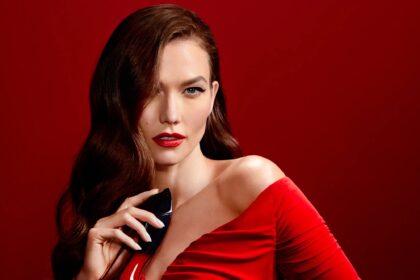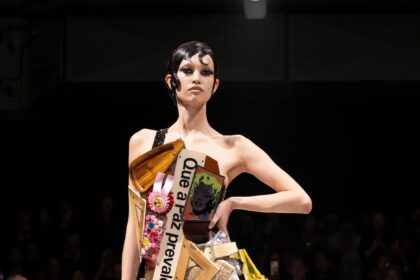

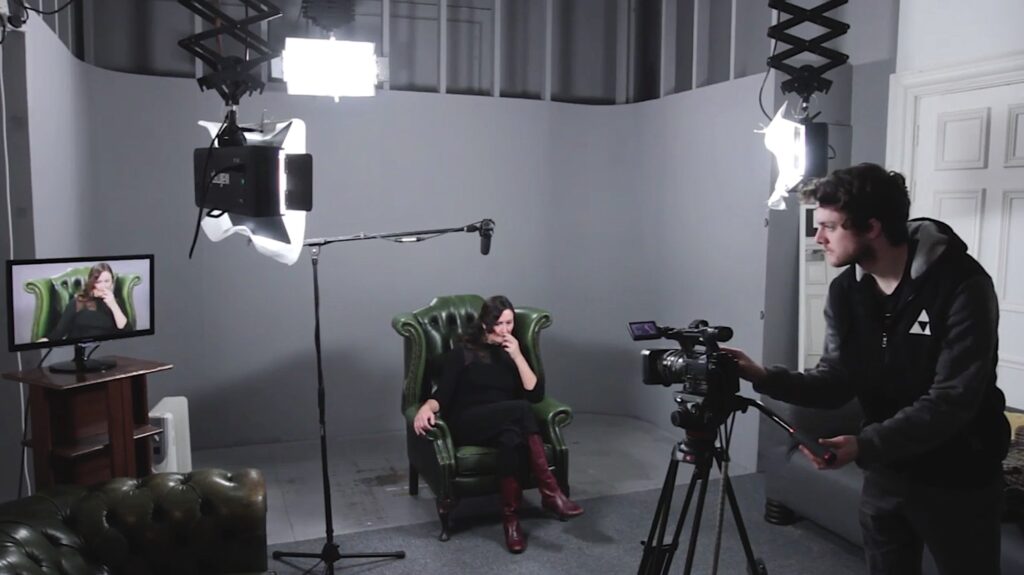

Before the runway, before the campaigns, before the global recognition—there is the casting room. A space stripped of music, spectacle, and illusion. Just chairs, portfolios, and a quiet tension that determines the direction of entire fashion seasons.
In this room, models are not yet icons. They are possibilities.
Casting directors rarely speak in absolutes. A glance, a pause, a subtle nod—these are the languages of selection. What is being measured is not just beauty, but adaptability: how a face transforms under pressure, how a presence holds in stillness, how identity shifts under editorial imagination.
Modern casting has moved beyond symmetry. It now searches for tension—contrast between softness and structure, familiarity and disruption. A model can be technically flawless and still be invisible if they do not translate emotion in a single frame.
What makes the casting room fascinating is its contradiction: it is both deeply subjective and brutally decisive. A model may enter feeling seen, and leave completely erased—or unexpectedly chosen into a narrative that changes everything.
In fashion, visibility begins here. Quietly. Briefly. Permanently.