


More Than What We Wear
Fashion has long been associated with beauty, creativity, and self-expression. Yet increasingly, psychologists and wellness experts are recognizing another powerful dimension of style: its impact on mental wellbeing.
What we wear influences how we feel. Clothing can affect confidence, mood, emotional resilience, and even productivity. The relationship is so significant that researchers have coined the term “enclothed cognition” to describe how clothing influences psychological processes.
Fashion is no longer simply about appearance. It has become a tool for emotional expression and personal empowerment.
Dressing for Confidence
The right outfit cannot solve life’s challenges, but it can change how we approach them.
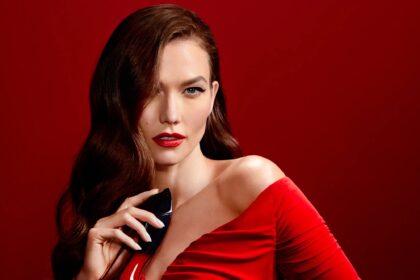
Many women describe feeling stronger in a tailored blazer, more creative in expressive colors, or more grounded in garments that reflect their authentic personalities. These choices create subtle psychological shifts that influence how people move through the world.
Rather than dressing for trends, many are now dressing for emotional alignment.
“The most powerful outfit is not the most expensive one. It is the one that reminds you who you are.”
Fashion as Self-Care
Self-care is often associated with skincare routines, meditation, or exercise. Yet building a wardrobe that reflects your identity can be equally transformative.
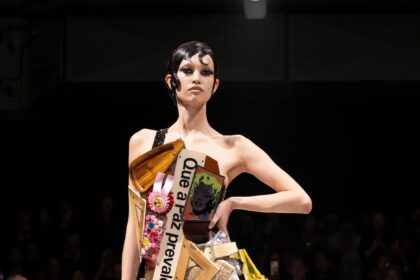
When fashion becomes intentional rather than performative, it supports wellbeing. It allows individuals to communicate their values, celebrate their individuality, and cultivate confidence without speaking a word.
The Future of Wellness Dressing
As wellness continues to evolve, fashion is becoming part of a broader conversation about mental health and self-expression.
The future is not about dressing to impress others.
It is about dressing in a way that supports your best self.
“Style becomes wellness the moment it stops being about approval and starts being about authenticity.”